
DemandSense vs Factors.ai: Pricing, Use Cases, and Key Differences
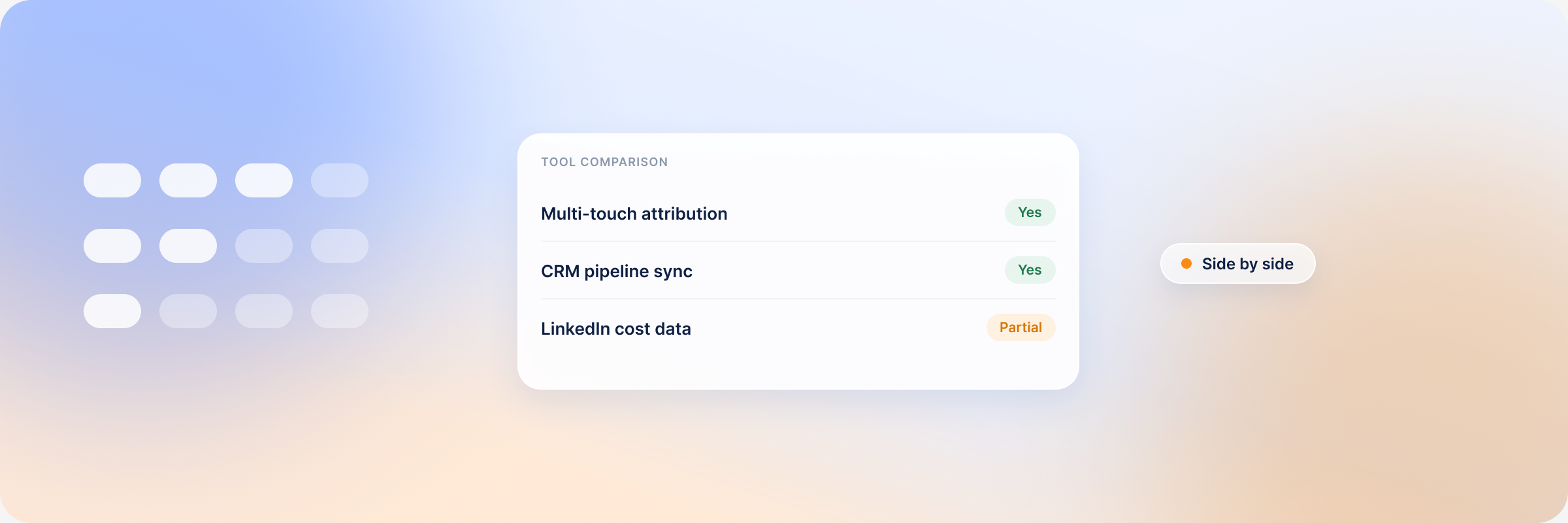
DemandSense vs Factors.ai compared by use case: LinkedIn ad controls, visitor identification, the Conversions API, MCP, attribution and how each is priced.
B2B sales cycles average 200+ days. LinkedIn’s attribution window is 30. This category covers how to close that gap — multi-touch attribution, closed-loop reporting, CRM integration, and proving to finance that your LinkedIn spend is actually driving revenue.
DemandSense vs Factors.ai compared by use case: LinkedIn ad controls, visitor identification, the Conversions API, MCP, attribution and how each is priced.
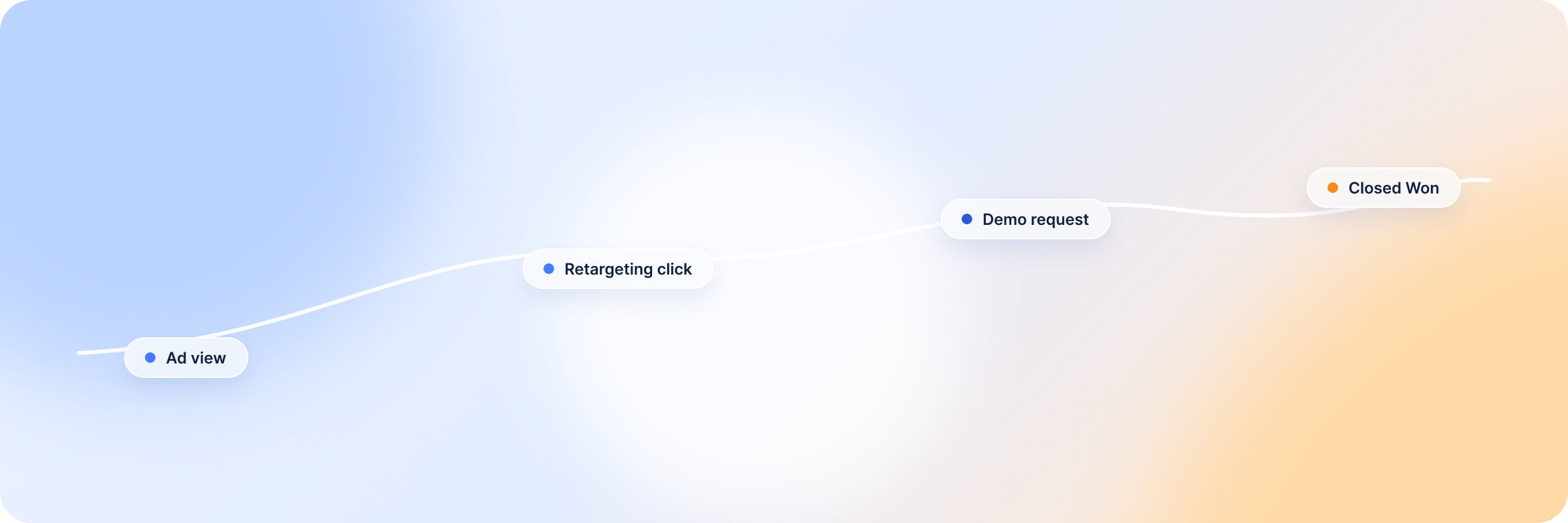
Yes, in four ways. See what CRM Sync, Lead Gen Form integrations, the Conversions API and connectors each move between LinkedIn Ads and your CRM.
ROI vs. ROAS for B2B LinkedIn Ads: how each is calculated, why a high ROAS can still lose money, and which one to optimize when deals close months later.
What attribution reporting shows B2B teams, which report types to run for LinkedIn campaigns, and how to read the numbers without fooling yourself.
How B2B social media marketing works on LinkedIn: which platforms earn a place, what to post, and how to turn engagement into measurable pipeline.
How LinkedIn impression attribution works, how it differs from click and view-through attribution, and what it reveals about B2B campaign performance.
How the LinkedIn Conversions API works, what to send, how it fits with the Insight Tag, and how B2B teams get closed-won deals into Campaign Manager.
Learn how to turn LinkedIn Ads reporting into a B2B revenue dashboard that connects campaign performance with CRM data, pipeline, revenue, and ROAS.
DemandSense vs Fibbler compared by the job you are hiring for: use cases, Conversions API, MCP, ad controls, pricing, and what reviewers of both tools say.
Discover the best marketing intelligence platforms for B2B. Empower marketing and revenue teams with competitive and market intelligence tools.